RET Ventures Blueprint Main Event Recap Blog

At this year’s Blueprint conference, RET Ventures’ Multifamily & SFR Summit explored how owners and operators can turn technology into measurable operational value. Two additional sessions during the main Blueprint program extended that conversation, examining a related challenge: as technology becomes more accessible, how can operators use it to create a lasting competitive advantage?
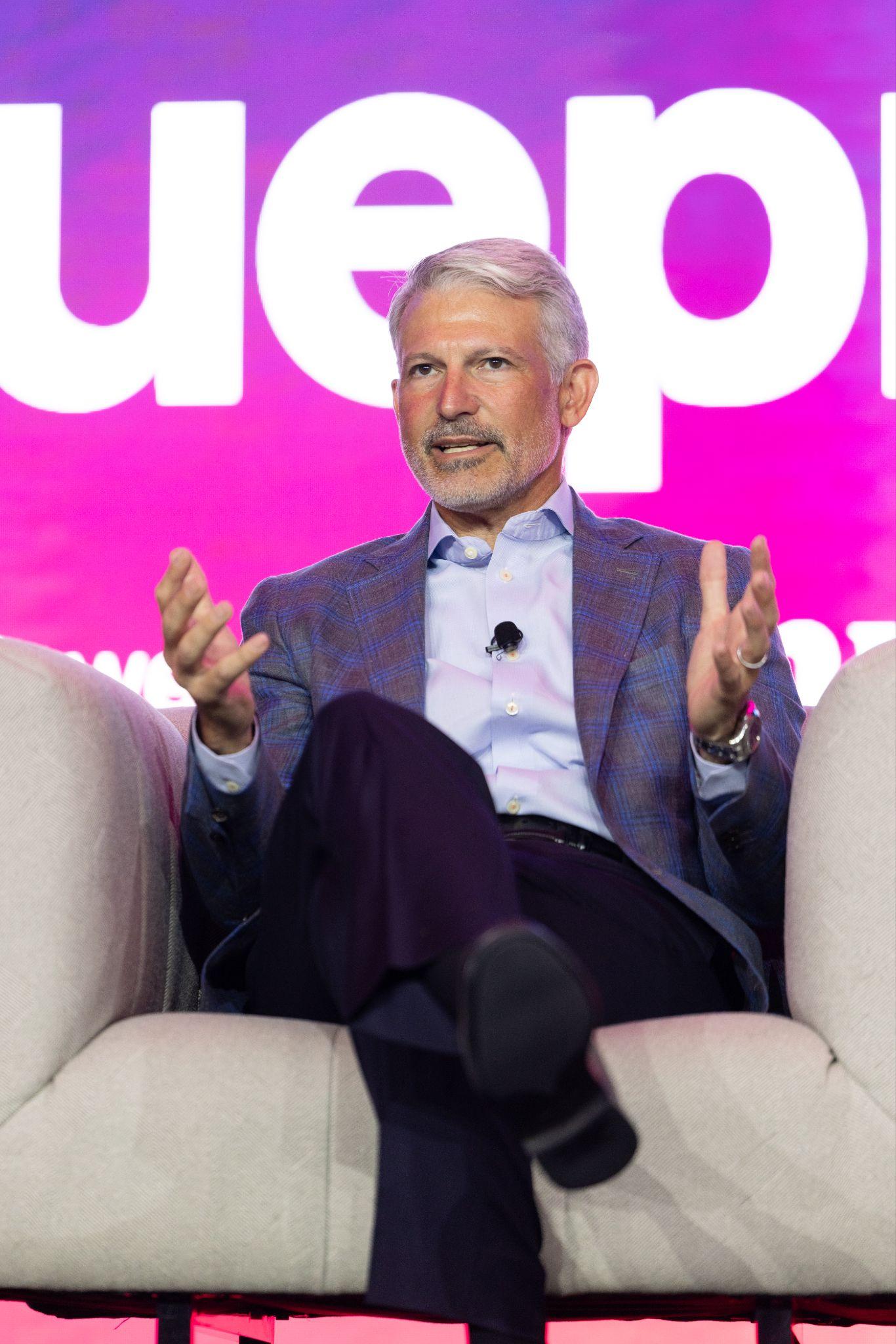
For Steven DeFrancis, Founder & CEO of Cortland, the answer starts with the resident. In a mainstage conversation with RET Ventures Partner & Managing Director Christopher Yip, DeFrancis discussed Cortland’s decision to vertically integrate its operations based on the belief that multifamily is fundamentally a consumer business. By bringing select functions in-house, from property management to pest control, Cortland aims to reduce friction, control costs and deliver a more consistent resident experience.
That same philosophy informs the company’s approach to technology. Rather than adopting tools simply because they are available, Cortland prioritizes solutions that improve service and strengthen investment and operational decisions. DeFrancis also highlighted the importance of translating operational data into actionable insights, allowing the company to better understand performance and identify opportunities for improvement.
The breakout session, “If AI Commoditizes Leasing, What Makes You Different?” explored what this challenge looks like as AI transforms the renter journey. Moderated by RET Principal Aaron Ru, the panel featured Garrett Hrncir of Continental Properties, Kim Garfield of UDR and Tyler Christiansen of Funnel. The discussion centered on a growing possibility: as operators adopt similar AI tools for prospect engagement, property discovery and virtual tours, technology itself may become less of a differentiator.
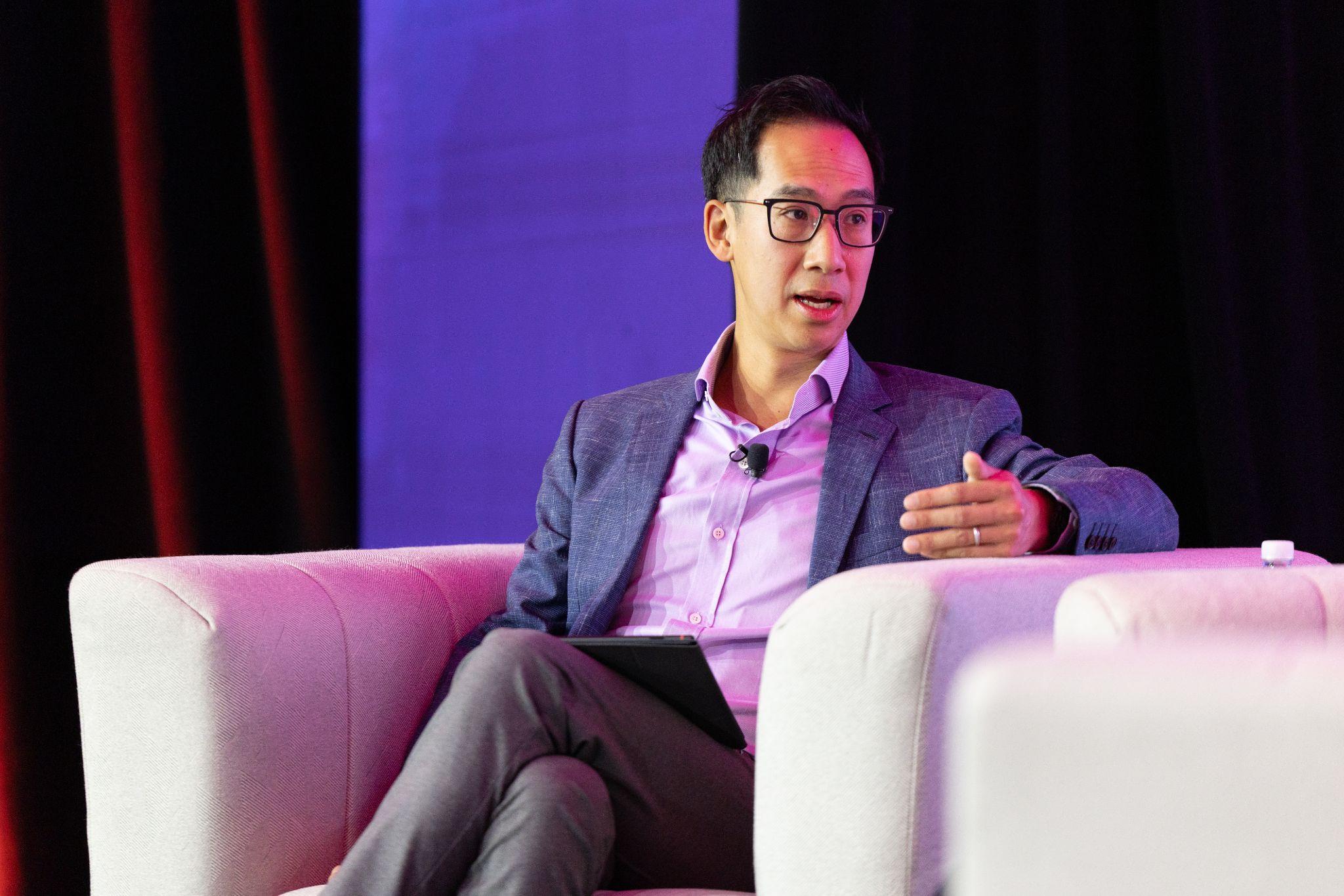
Instead, operators will need to be more intentional about where automation adds value and where human interaction will do more to change the outcome. AI can make leasing faster and more accessible, but personal attention still matters when prospective residents have specific concerns, need help navigating a decision or are considering whether to renew. The opportunity is to use technology to streamline routine tasks while allowing employees to focus on the interactions that build trust and strengthen the resident experience.
The Bottom Line: As AI becomes more embedded in rental housing, differentiation will depend on how thoughtfully operators apply it. From Cortland’s vertically integrated model to the evolving role of human interaction in leasing, both conversations reinforced that technology is most valuable when it addresses real operational challenges and supports a better resident experience.