RET Ventures Blueprint Multifamily & SFR Summit Recap Blog

Key Takeaways from RET Ventures’ Blueprint Multifamily & SFR Kick-Off Summit
Last month, RET Ventures hosted its fourth annual Multifamily & SFR Summit at Blueprint in Las Vegas, bringing together leading owners and operators, technology investors and startup executives for conversations about the technologies and strategies shaping the future of rental housing. Across four sessions, panelists explored how data, AI and automation are moving from emerging technologies into core components of property operations.
The Summit kicked off with “Data to Dollars,” led by RET Vice President Melissa Fagan, alongside Bobbi Steward of Revyse, Scott Pechersky of ECL Prop Solutions and René Bilodeau of Pacific Urban Investors. The conversation examined how owners can turn data into measurable operational value. Panelists discussed using data to identify gaps and inefficiencies, create workflows that minimize leakage and demonstrate the value of new technology during implementation.
A key takeaway was that successful technology adoption starts with a clear business case and a defined path to ROI. Just as importantly, organizations need clean, well-structured data to ensure AI and other tools can actually deliver useful insights.
Next, “AI in Action,” moderated by Jameson Hartman, Industry Principal at RET, brought together Paul Seifert of Continental, Mariana Estrada of RPM Living and Sorin Michnea of SuiteSpot to explore how owners are evaluating the return on AI investments.
While some use cases offer clear, quantifiable savings, panelists noted that ROI also comes from time saved, more standardized workflows, stronger employee engagement and better resident service and retention. But realizing lasting value from AI requires looking beyond immediate efficiencies. Owners need to maintain control of their data and prioritize technology partners committed to interoperability, ensuring their systems can share information and adapt as new tools emerge. Without these safeguards, seemingly valuable AI investments can create long-term dependence on individual vendors, limiting flexibility and ultimately undermining the value owners are working to achieve.
The Summit then turned to scale during the fireside chat “The 100,000 Home Operating System,” featuring Dave Feldman, CEO of Progress Residential, alongside RET Partner Christopher Yip. The session explored how technology is enabling SFR operators to manage increasingly large and geographically dispersed portfolios.
Dave and Christopher discussed how cloud-based systems, automation and AI are allowing teams to centralize what makes sense while keeping employees focused on the moments where human involvement matters most. From AI-powered prospect nurturing to using data to identify friction in the resident experience, the conversation highlighted the shift toward a more resident-centric operating model.
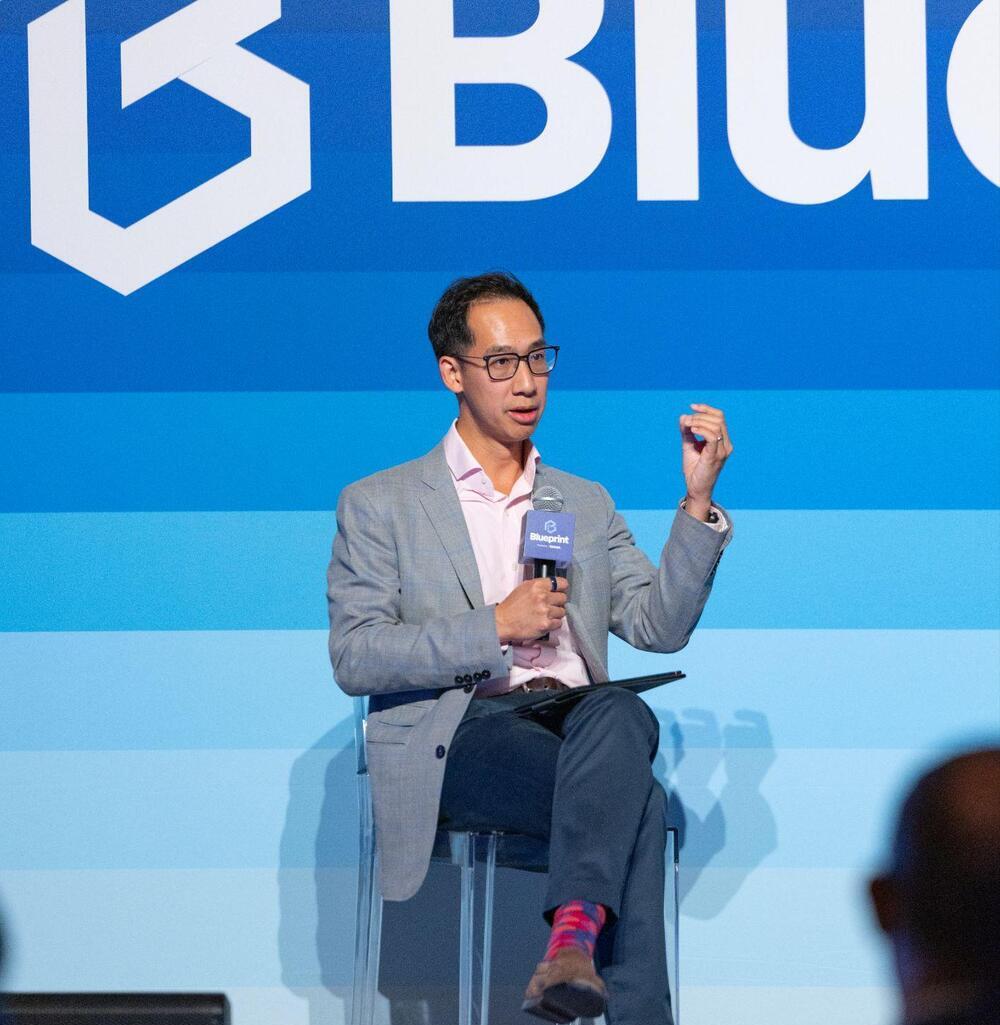
The final session, “AI Agents 2.0,” brought together Aaron Ru, RET Principal, and portfolio company executives Ruchir Baronia of Frontdesk and Maximilian Gajdel of STAN.AI to look at how the next generation of AI agents is moving beyond narrow, fixed workflows.
Panelists discussed the importance of context, open integrations and an agent’s ability to take action across systems rather than simply answer questions or initiate individual tasks. They also emphasized that successful AI deployment must start with clearly defining the problem to be solved. Organizations that can identify a specific use case, establish success criteria and systematically test the technology will be better positioned to move AI from experimentation into production.
The Bottom Line: Across the Summit, one theme stood out: the next phase of technology adoption in rental housing will be defined less by what AI can do in theory and more by how effectively it solves real operational problems. Moving from experimentation to lasting value requires a clear technology master plan, including well-defined workflows, an understanding of existing data and systems architecture, and clear expectations for technology partners. Without that foundation, owners and operators may see short-term gains but face costly changes down the line as their needs evolve and new AI capabilities emerge. Clean data, connected systems and measurable outcomes remain critical, but so does building an infrastructure that can adapt as the technology advances.